


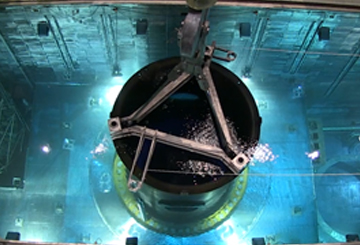
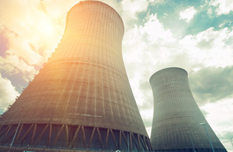


Nuclear reactors are, fundamentally, large kettles, which are used to heat water to produce enormous amounts of low-carbon electricity. They come in different sizes and shapes, and can be powered by a variety of different fuels.
Nuclear energy holds the atoms that make up our universe together. This energy is released both when larger atoms split apart, undergoing fission, and when smaller atoms combine together, known as fusion.
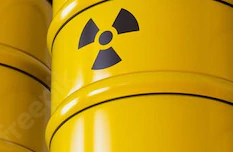
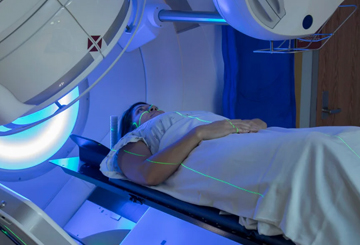
Radiation is energy. It can come from unstable atoms that undergo radioactive decay, or it can be produced by machines
A key component of the mission of the NNR is to ensure adequate protective actions are in place to protect the health and safety of the public. Protective actions are taken to avoid or reduce radiation dose and are sometimes referred to as protective measures.
We are continuously exposed to radioactivity in everyday life. Some of the most familiar sources of radiation include microwave ovens in our kitchens and the radios we listen to in our cars. Most of the radiation we are exposed to carries no risk to our health.One source of natural radiation that presents a danger is radon — a radioactive gas with no colour, smell or taste. It is released from bedrock material and passes through the soil. It then tends to dilute in the air, so outdoors, radon poses no harm to human health.
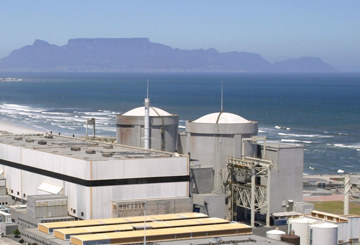
The Koeberg nuclear power station is located on the West Coast of South Africa, approximately 27 km north of Cape Town and is currently the only nuclear power station on the African continent. It has twin pressurised water reactors with a combined net capacity of 1854 Mwe and is operated under the Nuclear Installation Licence, NIL-01 Variation 19 with conditions and requirements prescribed by the National Nuclear Regulator.
Radionuclides of natural origin contained in or released from process materials may pose a risk to workers, public or the environment. These radioactive elements in minerals and ores originally found in the environment are commonly known as NORM – naturally occurring radioactive material. Some NORM materials require radiation control and regulation.
03 Dec 2025: Ikageleng, Zeerust North West.
The NNR delivered a message of hope to the attendees and victims of GBV during the commemoration of 16 days of Activism against Gender Based Violence, World Aids Day and a Day for People with Disabilities.
#StopGBV
#ExposeAbusers
17–21 November 2025: The NNR is proud to host the IAEA Technical Meeting on drafting the baseline technical document for the Annual Meeting of the Coordination Group for Uranium Legacy Sites for African Member States.
#NuclearSafety #IAEA #NNR #UraniumLegacySites #Africa